One unit, several modes
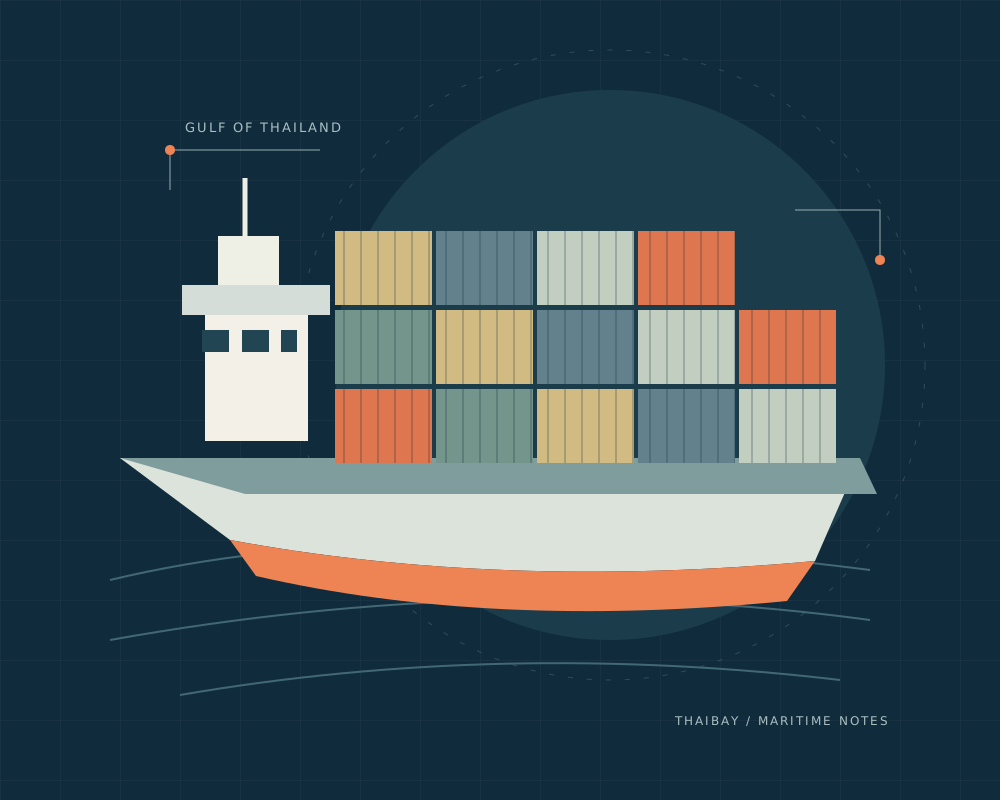
An intermodal container is designed to move between different modes of transport without unpacking its contents at every transfer. A loaded unit can travel by road, be handled at a terminal, move by sea and continue inland at the destination.
That does not remove the need for coordination. Each handover still involves equipment, records and a clear understanding of where the container needs to be next. Standardisation makes the physical transfer easier; information makes the journey manageable.
Inside the box
The container protects an enclosed space, but the cargo still needs appropriate packaging and securing. Goods can shift during movement, and weight must be considered alongside volume. A booking that works on paper can fail if the actual cargo dimensions or mass differ from the declared information.
At the terminal
A terminal brings together the landside and waterside parts of the journey. Containers enter through gate processes, move through storage or handling areas and are transferred to or from vessels. Equipment and procedures vary between facilities.
Beyond the vessel
Arrival at the destination port is not the same as delivery. Release formalities, collection arrangements and onward transport still have to align. Looking at the complete chain helps explain why a sea voyage is only one part of maritime logistics.
Next: the journey between ports ↗